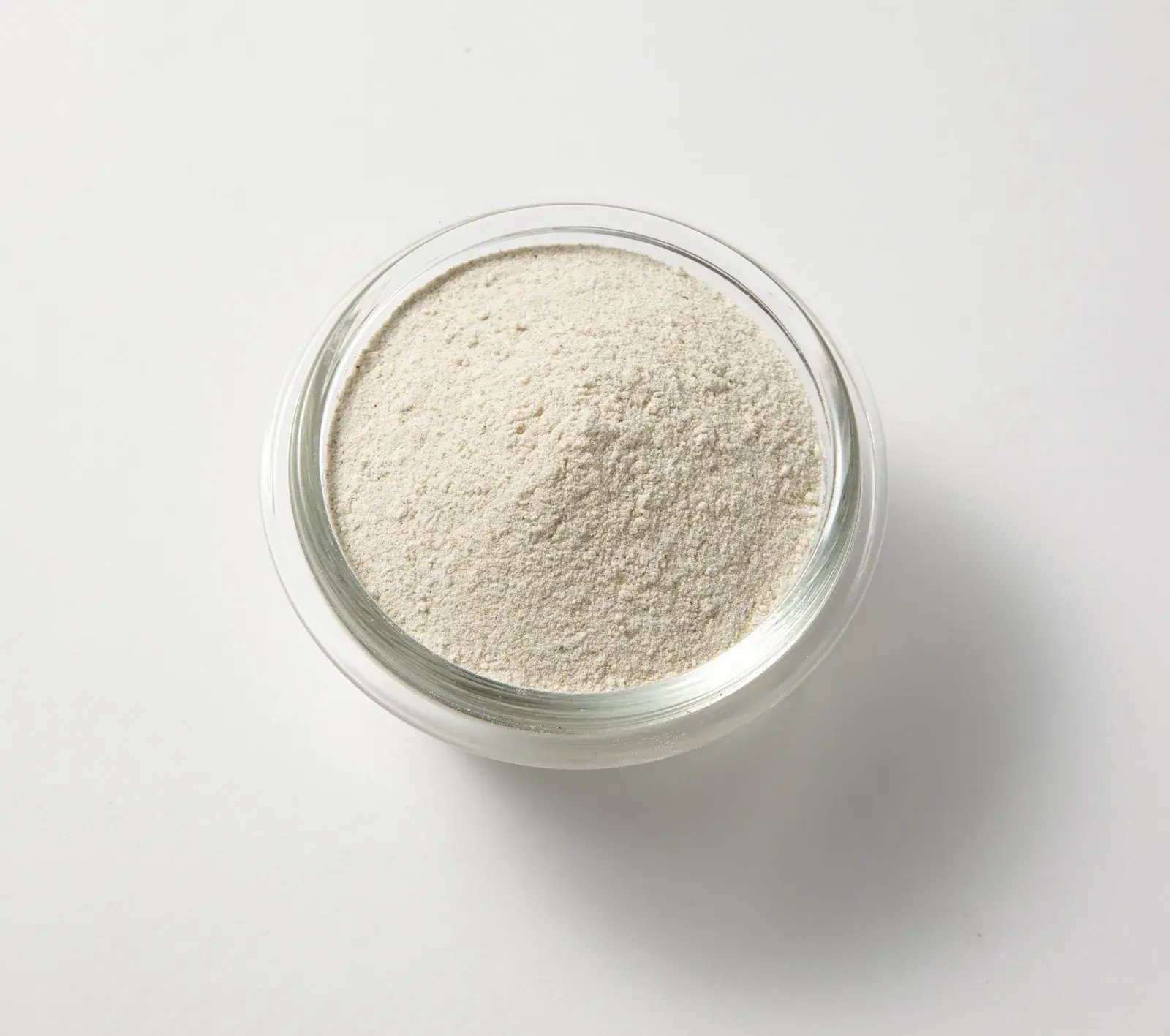
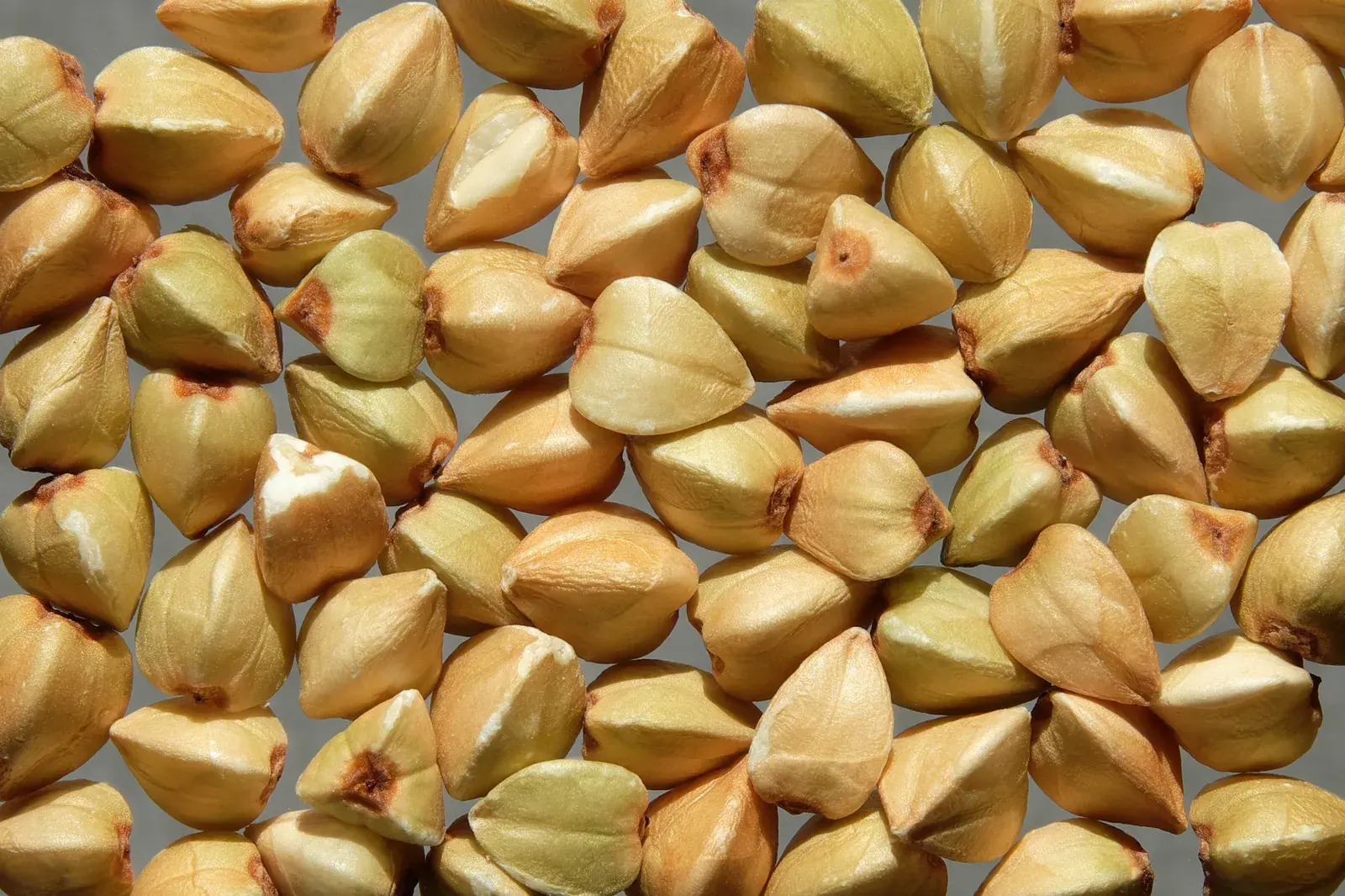
If a new flour has been sitting in your cupboard because you are unsure how to use it, start with a small batch of pancakes. There is no dough to roll and no need to make them perfectly round. A warm pan, a bowl and a spoon are enough.
These savoury buckwheat pancakes use coriander and cumin for a familiar breakfast direction. Serve them with plain yoghurt, cucumber or your usual chutney. The quantities are a home-cooking starting point: different flour grinds absorb liquid differently, so the batter cues below matter as much as the measurements.
Ingredients for about six small pancakes
- 100 g buckwheat flour.
- 1 egg.
- 160 ml milk, plus a little extra only if needed.
- 1 teaspoon oil for the batter, with a little more for the pan.
- 2 tablespoons finely chopped fresh coriander.
- One-quarter teaspoon ground cumin.
- One-quarter teaspoon salt, or less to taste.
- Finely chopped green chilli, optional.
Use a large egg if available and measure the flour by weight for a more repeatable result. Wash and dry your herbs, then chop them finely. Large wet pieces can make a small pancake harder to turn. Keep the toppings separate until the pancakes are cooked.
Mix and rest the batter
Whisk the egg, milk and oil together in a bowl. Add the flour, salt and cumin, then stir until no pockets of dry flour remain. Fold in the coriander and optional chilli. Let the batter stand for about ten minutes while you organise the pan and serving plates.
After resting, stir again. The batter should fall from a spoon in a thick ribbon and spread with a gentle nudge. If it sits like a stiff paste, add milk one tablespoon at a time. If it runs across the pan like water, stir in a small spoonful of flour and allow a few more minutes before trying again.
Do not taste the raw batter. The FDA's flour safety advice explains that uncooked flour and eggs can carry harmful bacteria.
Cook a small first pancake
Warm a non-stick or well-seasoned pan over medium heat and lightly oil it. Add roughly three tablespoons of batter and spread gently into a small round. Keeping it modest in size makes turning easier.
Cook until the edges look set and the underside is lightly browned, usually around two to three minutes. Slide a wide spatula underneath and turn carefully. Cook the second side, lowering the heat if necessary, until the centre is fully cooked with no wet batter remaining. Treat timings as a guide: pan thickness and heat vary.
Use the first pancake to judge the batter and heat. If it browns before the middle sets, reduce the heat for the next one. Stir the bowl between pancakes because the herbs can settle. Serve the finished pancakes while warm.
Three common problems and simple fixes
The pancake breaks when turned: It may need more time to set. Make the next one smaller, wait until the edge is firm and use a wide spatula rather than lifting one corner.
The outside burns but the middle is wet: Lower the heat and spread the next pancake a little thinner. More heat does not solve an undercooked centre.
The pancakes feel heavy: Check whether the batter became too thick during the rest. Add a small amount of milk, stir and cook another small pancake before changing the whole bowl.
Serving ideas beyond breakfast
For a simple plate, add plain yoghurt and sliced cucumber. For lunch, serve the pancakes alongside cooked vegetables or use them to scoop up a thick daal. Keep saucy toppings on the side until eating so the pancakes do not become soggy.
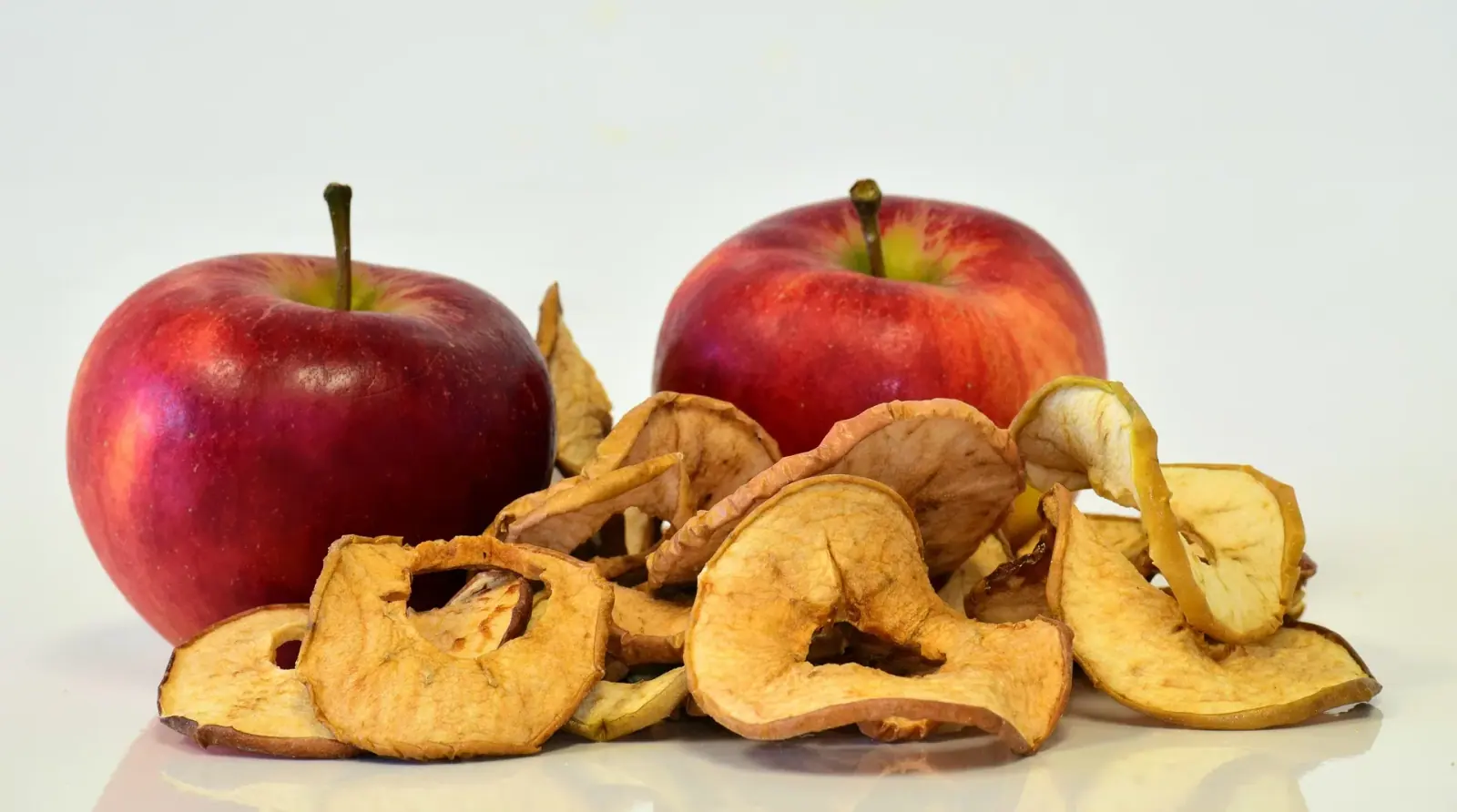
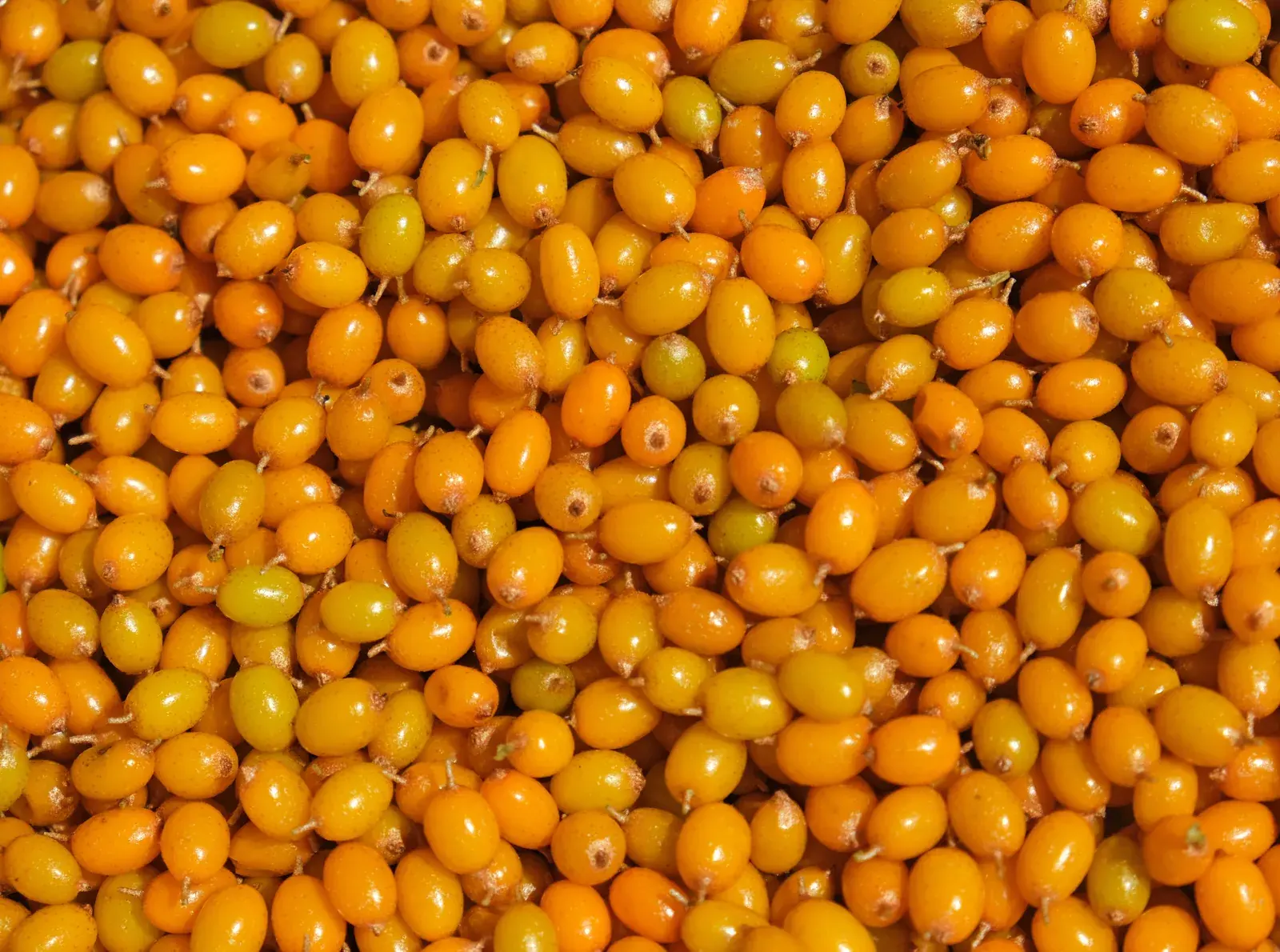
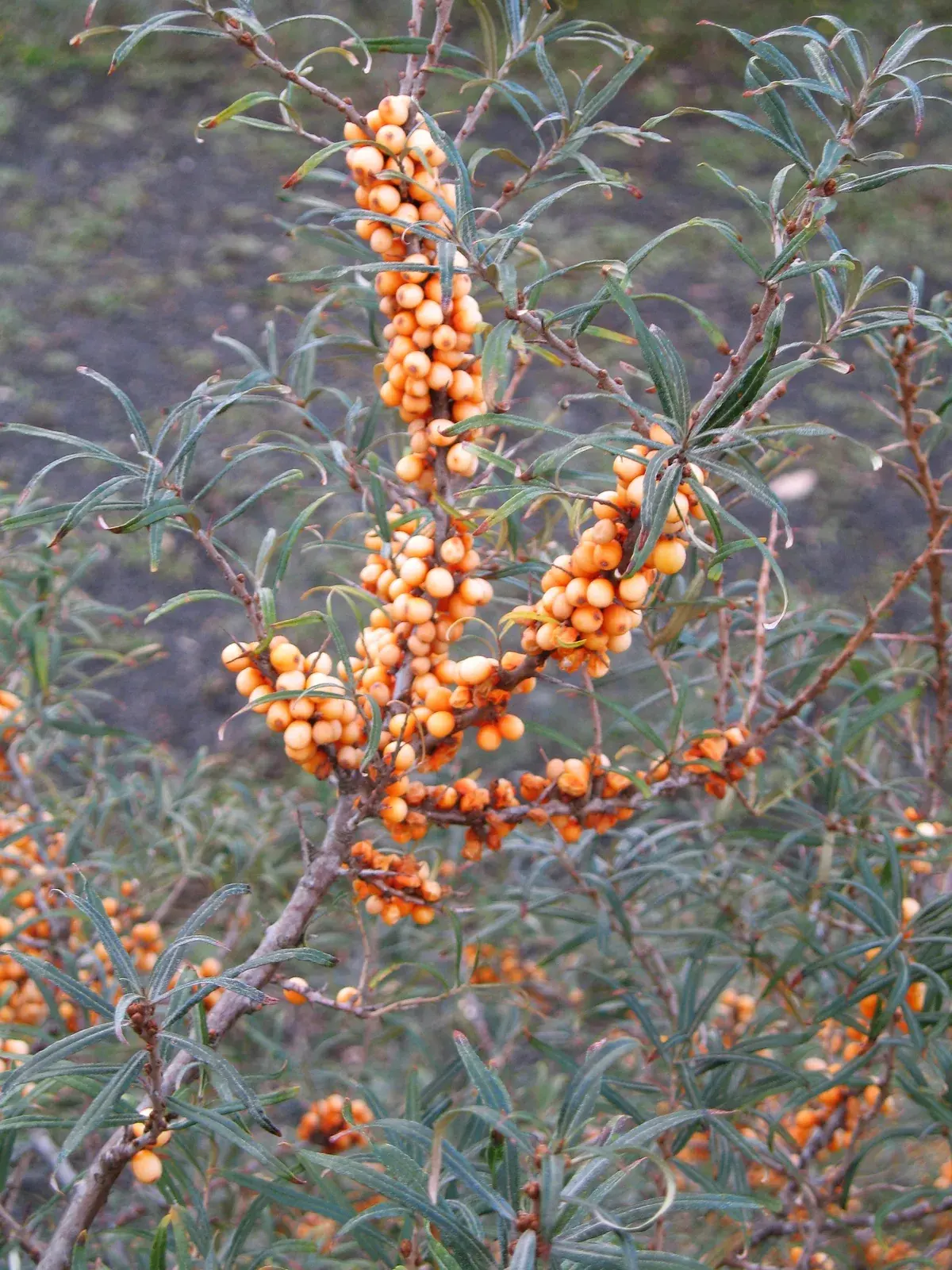
For a sweet variation next time, leave out the cumin, coriander and chilli. Serve with softened, chopped dried apples or a few walnut pieces, if suitable for everyone eating. This changes the flavour without needing a new cooking technique. A small sea buckthorn infusion is another possible accompaniment.
Ingredient checks before you cook
This recipe contains egg and milk. As FDA guidance explains, naturally gluten-free ingredients can encounter gluten through cross-contact. A medically necessary gluten-free meal depends on the flour, other ingredients and preparation conditions. Check labels and handling information; do not assume certification. Our buckwheat flour guide explains that distinction.
Use ingredients you tolerate, cook the batter thoroughly and refrigerate leftovers promptly. Start with buckwheat flour, note any adjustments that work in your pan and make the next batch your own.