Buckwheat flour can bring a deeper, earthy flavour to breakfast and everyday cooking. For someone used to wheat atta, the biggest surprise is usually how differently it behaves in a bowl or on a tawa. Understanding that difference makes your first recipe much easier.
If you are looking for buckwheat flour in Pakistan, begin with the ingredients and intended use, then compare pack sizes and storage information. Our buckwheat flour page lists the current options, while this guide helps you decide what to make with them.
Is buckwheat a type of wheat?
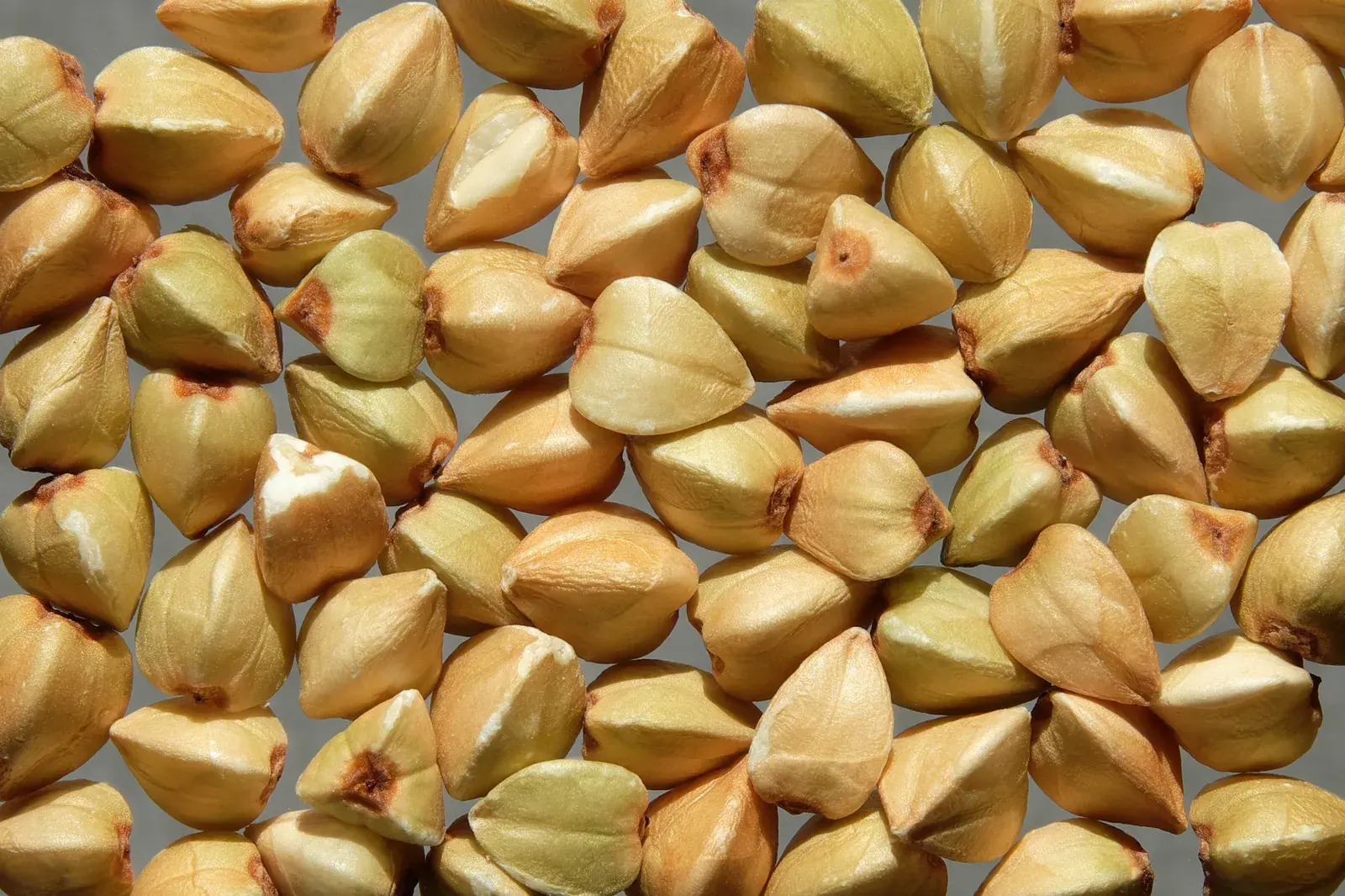
Despite its name, buckwheat is not wheat. Its edible seed is used in similar ways to cereal grains, which is why you may see it described as a pseudocereal. The University of Missouri crop guide describes it as a broadleaf plant rather than a cereal grass.
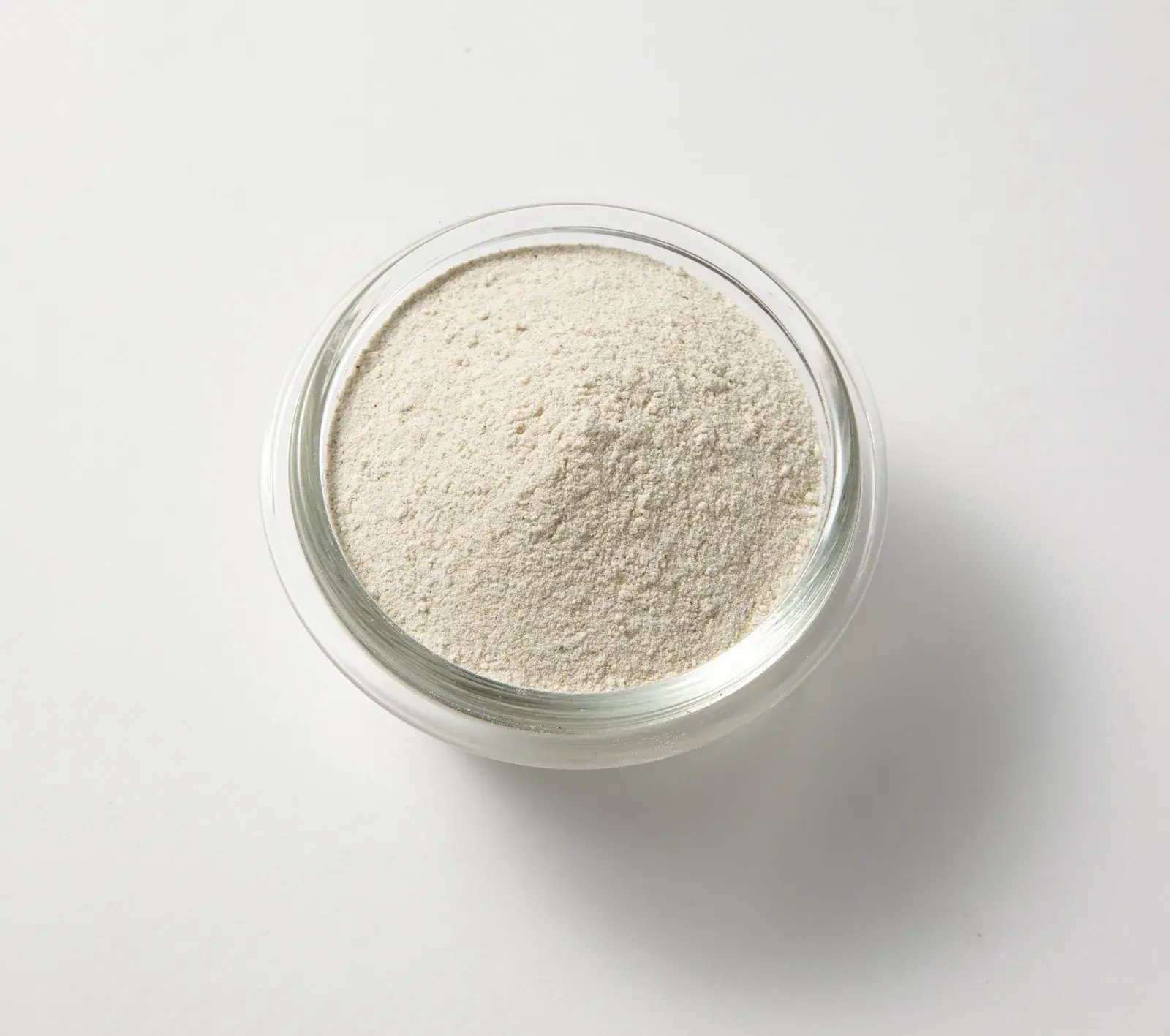
Flour is made by milling the seed. It has a different flavour and cooking behaviour from familiar wheat flour. Colour and texture can vary with the milling process, so a darker-looking bag is not automatically better than a lighter one.
Is buckwheat flour gluten-free?
Buckwheat itself does not contain gluten. However, that botanical fact does not prove that every packaged flour is suitable for someone with coeliac disease. Contact with wheat or other gluten-containing ingredients during milling, packing, storage or cooking can matter.
NIDDK guidance on coeliac disease explains why labels and cross-contact need attention. If you require a strict gluten-free diet, ask the seller about the specific product and its handling before buying. Do not infer certification or testing from the ingredient name alone.
A recipe that mixes buckwheat with ordinary wheat atta is not gluten-free. At home, shared flour containers, rolling surfaces and utensils also need consideration if you are cooking for someone who must avoid gluten.
How does it behave compared with atta?
Do not expect a straight one-for-one swap to produce exactly the same roti or bread. Wheat's gluten helps provide stretch, while a buckwheat batter or dough needs a recipe designed around its own texture.
For a first attempt, a pancake is often easier to handle than a thin rolled roti. You spread or pour the batter directly into a pan, so you do not have to lift a delicate sheet of dough. Our easy buckwheat pancake recipe gives you a starting method and troubleshooting tips.
If you eat wheat and simply want to explore the flavour, use a recipe that deliberately combines the two flours. Keep a note of your proportions and water quantity rather than changing several ingredients at once.
Four useful ways to try it
- Savoury pancakes: Pair the flour with chopped herbs and serve with yoghurt or a familiar chutney.
- Breakfast pancakes: Use a recipe intended for buckwheat, then add fresh fruit or a little chopped dried fruit after cooking.
- Baking blends: Try an established buckwheat muffin or biscuit recipe instead of replacing all the flour in your favourite cake immediately.
- Cooked sauces: A small flour-and-water slurry can thicken a simmering sauce, but cook it thoroughly and adjust gradually.
Flour is a raw ingredient. FDA food-safety guidance advises against eating raw flour or batter. That includes stirring uncooked flour into a ready-to-drink smoothie.
What to check when buying online
Read whether the product contains only buckwheat or is a flour blend. Check the net weight, best-before information, storage directions and seller contact details. Compare the same weight when judging value, and choose a quantity you can realistically use.
Think about the recipe before choosing the largest pack. A smaller bag may be enough to discover whether your household enjoys the flavour. Avoid assuming that a gluten-free ingredient automatically makes every dish lighter, more nutritious or appropriate for a medical diet; the whole meal and your own needs matter.
Store flour for your kitchen conditions
Keep the pack securely closed and away from moisture, strong smells and heat. Utah State University Extension notes that buckwheat flour keeps best refrigerated or frozen. Use a sealed food container and follow the product label; this is particularly helpful to consider during hot weather.
Label the container with the opening date and avoid mixing an older bag into a fresh one. Discard flour that has mould, pests or an unusual rancid smell. When you are ready to cook, browse buckwheat flour, choose one manageable recipe and build from there.